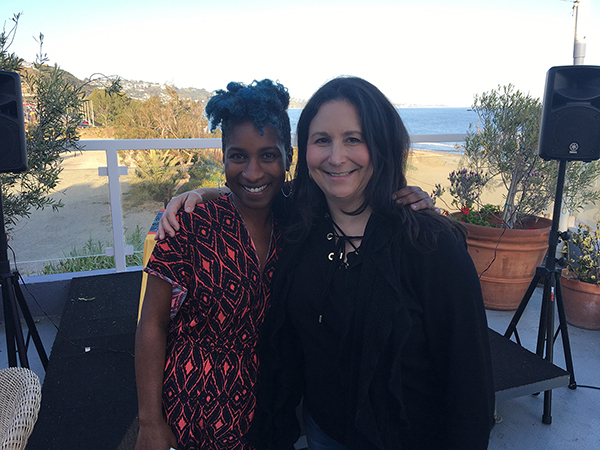
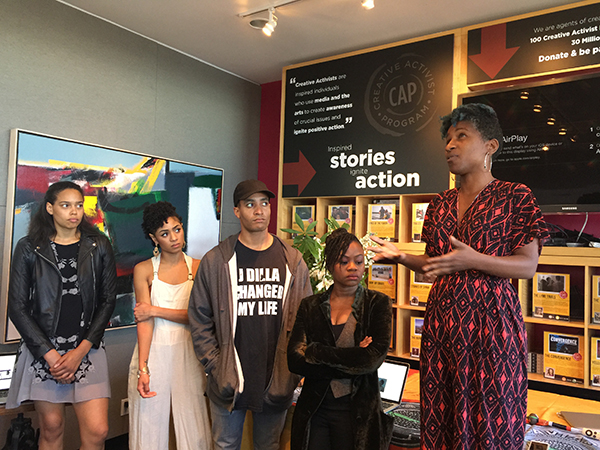
In the wake of the premiere on Netflix of another eating disorder film, my friend, JD Ouellette, reminded me that the frustration over another stereotypical narrative about eating disorders could provide an opportunity. At the NEDA Conference in 2014, both JD and I (as well as many other attendees) were impressed by Tchaiko Omawale’s sharing of her inspiring story of recovery on the Friends and Family Panel. Later, we learned about her work (writing, directing, and producing) on Solace, a coming of age feature film inspired by Tchaiko’s journey with an eating disorder and self-harm. In April, I had the opportunity to attend a fundraiser for Solace and preview a scene. I spoke about the need for more films, stories, and images of people from diverse backgrounds with eating disorders.
To those interested in supporting a film that doesn’t reinforce stereotypes, Tchaiko Omawale has made such a film. She needs additional funding to complete the film, which is in post-production. Visit Solace Film page to learn more and, if you are so inclined, join me in supporting this important project. She has a donation page.
TL; DR Nutritional supplement shakes play a vital role in eating disorder recovery by helping…
TL; DR Emetophobia is an intense fear of vomiting that can severely limit a person's…
TL; DR In Family-Based Treatment, parents play a crucial role in helping their teens recover…
TL; DR Transitioning to college can be especially challenging for young adults with eating disorders.…
TL;DR Online Family-Based Treatment (FBT) is a highly effective therapy for teens with eating disorders,…
TL; DR In her insightful piece, Dr. Lauren Muhlheim uses a zip-lining experience as a…