Dall.e
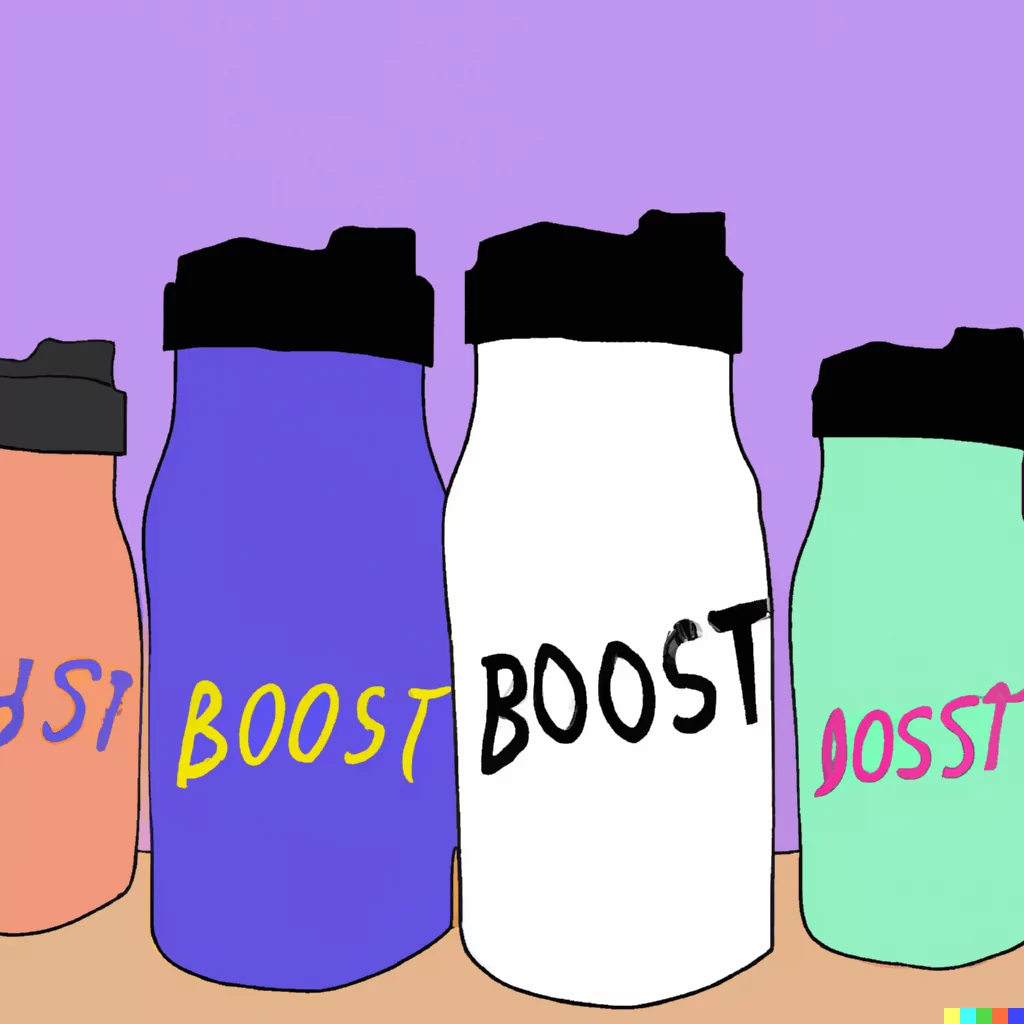
Nutritional supplement shakes play a vital role in eating disorder recovery by helping restore nutritional health. These shakes provide a high-calorie, nutrient-dense liquid option for those struggling to consume enough food, especially early in recovery when feelings of fullness can be challenging. Popular brands like Boost and Ensure offer various formulations, including dairy and non-dairy options, and are often used in treatment settings.
While it’s best to aim for whole foods, shakes can serve as quick, convenient nutrition and may even replace meals in certain situations. When selecting a shake, focus on caloric density and personal taste preferences to ensure it’s consumed effectively. For personalized support, consider seeking Family-Based Treatment (FBT) for eating disorders in California.
By Lauren Muhlheim, PsyD, and Katie Grubiak, RDN
Nutritional supplement shakes commonly support eating disorder recovery. In this post, we will discuss what they are and how to use them. In our next post, we will taste-test the different brands and formulations of nutritional shakes on the market, share our opinions, and help you decide which to buy if you are considering using shakes in your or a loved one’s recovery.
Restoring nutritional health is an essential part of recovery from any eating disorder, including anorexia nervosa, bulimia nervosa, binge eating disorder, and Avoidant/Restrictive Food Intake Disorder (ARFID). The process of nutritional rehabilitation involves eating sufficient food at regular intervals, which reestablishes regular eating patterns and allows the body to recover. In this post, we will discuss the role of nutritional supplement shakes in eating disorder recovery.
Since many eating disorder patients, even those who are not at objectively low weights, can be malnourished, renourishment is an important step. Ideally, it should take place under the guidance of both a medical doctor and a registered dietitian nutritionist (RDN) who can develop a meal plan uniquely suited to the needs of the patient.
Repairing a depleted body can require a very high caloric intake. The recommended rate of weight gain is usually one to two pounds per week. For many of our clients, this translates into required dietary intakes of 3000 to 6000 calories per day. However, it can be unsafe to increase intake to this level immediately due to the risk of refeeding syndrome, a serious condition caused by introducing nutrition to a malnourished person. Calories need to be gradually increased under a doctor’s supervision and with an RDN’s guidance.
Many people with eating disorders will be able to restore their nutrition entirely with food. At EDTLA, we always think it is best for patients to eat real food, and that is the ultimate goal. However, there are many situations in recovery in which the use of supplements can be invaluable. Sometimes, especially early in recovery, it can be hard for patients to get in enough calories via food alone.
During early recovery, when early fullness is a common issue, fortified shakes may be easier both physically and mentally to consume than food. And when getting in enough calories by eating calorically dense foods is too tough, we think the use of supplements is a perfectly good alternative. It is always better than not eating enough.
Nutritional supplements, made by a number of different companies, contain nutrients in a calorically dense liquid or “shake.” Six to eight ounces of these products typically have between 200 and 350 calories, depending on the brand and formulation. Many large supermarket and drugstore chains sell shakes under their own names, some of which we tested as well.
The most popular brands sold commercially in the US are Boost and Ensure. These come in different flavors and are usually sold in plastic bottles. The main lines are dairy-based, but Boost Breeze and Ensure Clear are non-dairy versions, which are packaged in juice boxes and may be ordered online. There are formulations with higher caloric density (e.g., Boost Plus and Very High-Calorie Boost). In hospital settings, these products support patients who are unable to eat—following a stroke or jaw surgery, for instance—or need extra nutrition. They can also be used in tube feeding.
In recent years, other companies have emerged to compete with the Boost and Ensure brands. Several companies have developed products emphasizing organic and natural ingredients. Not all of these products are designed with the same goal in mind. Some of these products are aimed at supporting weight loss. These products could inadvertently displace foods, beverages, and other liquid supplements that would be much better suited for appropriate weight gain and eating disorder recovery, all the while delivering messages that could reinforce eating disorder thinking. We recommend thinking carefully about your goals, studying the products you plan to buy, and proceeding with caution.
Nutritional supplement shakes taste better chilled than at room temperature. They can be added to a meal in lieu of a lower-calorie beverage. Alternatively, they can be drunk as a standalone snack or beverage as part of a meal. They can also be used in the preparation of oatmeal, smoothies, or milkshakes. Many people can more quickly consume nutritional supplement shakes than solid foods. Thus, they offer quick, convenient nutrition, especially on the go.
Supplement shakes can also be used as replacements. In some eating disorder residential treatment centers, three supplements would be considered the nutritional equivalent of a meal. A patient who refused to eat altogether could be offered three nutritional drinks. A person who ate half the meal would be asked to drink two. Someone who ate most of the meal but didn’t finish would be asked to top off with a single supplement. During FBT in Los Angeles, parents refeeding children at home can decide whether to offer an alternative meal or liquid replacement when a child refuses to eat or finish a meal or snack.
Instead of bringing home a number of varieties, select one supplement brand in perhaps one or two flavors. Limiting unnecessary choices will head off an opportunity for the eating disorder to assert itself in the form of pickiness.
If you or your loved one has ARFID, supplements may be relatively harder or easier. Sometimes people with the sensory sensitivity type of ARFID struggle with the consistency of nutritional shakes. As well, sometimes people with a fear of aversive consequences (choking or vomiting phobia), ARFID, find liquid supplements very helpful.
As experienced eating disorder therapists, we think it is important to repeat our main message. Supplemental shakes can be a great tool for ensuring adequate nutrition during the refeeding process in eating disorder treatment. Finding the supplement best suited to you or your loved one from among the available options can be tough. Substantial caloric density is your first concern, but finding one that suits your palate is essential to making sure it goes down. Fortunately, the major brands have made a variety of flavors and textures from which you can choose.
We look forward to sharing further recommendations on the nutritional aspects as well as the results of our taste test. We taste-tested many, so you don’t have to. Stay tuned as our next blog will delve further and provide more detailed advice.
If you’re exploring family-based treatment (FBT), you may be wondering how tools like nutritional supplement shakes fit into your teen’s recovery. FBT offers a clear, evidence-based approach that empowers parents to take the lead in ensuring adequate nutrition. Sometimes, incorporating supplements when needed to support weight restoration and medical stability.
You don’t have to navigate these decisions on your own. Through FBT, families receive structured guidance on how to meet nutritional needs, manage resistance, and use strategies like supplement shakes appropriately as part of a comprehensive recovery plan. At Eating Disorder Therapy LA, our Los Angeles–based therapists specialize in family-based treatment for adolescents with anorexia, bulimia, and related eating disorders, helping parents feel confident in supporting their teen’s nutritional rehabilitation. Getting started is simple:
Navigating eating disorder recovery often brings practical questions about how to ensure your teen is getting enough nutrition. Especially when meals feel challenging. Family-based treatment (FBT) provides parents with clear, evidence-based guidance to support adequate intake. Including when tools like nutritional supplements may help restore weight and stabilize health.
At Eating Disorder Therapy LA, we offer comprehensive, evidence-based care for individuals and families across all stages of life, including children, adolescents, college students, adults, and caregivers. Our clinicians are experienced in treating the full range of eating disorders and related concerns. In addition to FBT, we provide therapy for Anorexia Nervosa, Atypical Anorexia, Bulimia Nervosa, Avoidant/Restrictive Food Intake Disorder (ARFID), and Binge Eating Disorder. We also support challenges such as excessive exercise, body image distress, and phobias related to swallowing, choking, or vomiting.
To meet families’ needs with flexibility and accessibility, our Los Angeles–based practice offers both virtual therapy and eating disorder group therapy. We also provide Small Group FBT and ARFID consultations, professional speaking and training services, educational and school-based programs, and clinical supervision for therapists seeking advanced expertise in eating disorder treatment.
For continued learning and support, we invite you to explore our eating disorder blog and Dr. Muhlheim’s books. When Your Teen Has an Eating Disorder and The Weight-Inclusive CBT Workbook for Eating Disorders (available in 2026). To connect with our team, please call (323) 743-1122 or email Hello@EDTLA.com. We look forward to supporting your family with clear, practical guidance throughout recovery.
Dr. Lauren Muhlheim, Psy.D., FAED, CEDS-C, is the founder of Eating Disorder Therapy LA. She is a licensed psychologist with extensive experience guiding eating disorder recovery across the lifespan. Her work emphasizes family-based treatment (FBT). She helps parents take a leading role in restoring nutrition, supporting weight gain, and navigating practical challenges. This includes meeting adequate nutritional intake during recovery.
She specializes in treating anorexia, bulimia, binge eating disorder, ARFID, and related concerns. She is also one of the few FBT-certified therapists in Los Angeles. Dr. Muhlheim is the author of When Your Teen Has an Eating Disorder and The Weight-Inclusive CBT Workbook for Eating Disorders. Additionally, she developed one of the only FBT training programs for dietitians. Licensed in California, Indiana, New York, and Oregon, with a Florida telehealth license, she is widely recognized for her leadership in family-centered, weight-inclusive care.
Katie Grubiak, RDN, uses Western and Eastern nutritional healing philosophies in her practice. She received her degree from the University of Texas at Austin. She first worked in public health with a focus on maternal and child health in San Diego and Los Angeles. Katie values her work with diverse cultures and supports all those seeking nutritional healthcare.
Katie’s experience in eating disorder treatment began at the UCLA Arthur Ashe Student Health & Wellness Center. There, she worked closely with medical staff and the UCLA Counseling and Psychological Services Center in a treatment team approach to support students struggling with eating disorders. She continues to work with eating disorder teams. She believes in integrated care, which includes effective communication between practitioners, often with her leading the team.
Katie often collaborates with Dr. Lauren Muhlheim at Eating Disorder Therapy LA, where they take a team approach to support families seeking Family-Based Treatment or FBT. Additionally, she serves as the Dietitian at Optimum Performance Institute in Woodland Hills, California, which helps young adults with Borderline Personality Disorder and other issues, such as eating disorders. There, she leads the Restorative Movement Group and the Nutritional Balance Group. Katie provides individual nutrition therapy at Side By Side Nutrition.
TL; DR Emetophobia is an intense fear of vomiting that can severely limit a person's…
TL; DR In Family-Based Treatment, parents play a crucial role in helping their teens recover…
TL; DR Transitioning to college can be especially challenging for young adults with eating disorders.…
TL;DR Online Family-Based Treatment (FBT) is a highly effective therapy for teens with eating disorders,…
TL; DR In her insightful piece, Dr. Lauren Muhlheim uses a zip-lining experience as a…
TL; DR Family-Based Treatment (FBT) is the leading outpatient therapy for adolescent eating disorders, particularly…