For Whom is Your Therapist Working?

Paper money on a yellow background, for an article on how insurance money shapes online therapy platforms.

A few weeks ago, I got an email from a representative of Rula, an online therapy platform. He mentioned he’d read an article on my website about using insurance to pay for eating disorder treatment. He said my explanation that Anthem Blue Cross and Blue Shield of California are two distinct companies “was helpful.” Then …


Read more

Is Restriction Driving Your Obsessive Food Thoughts? What Therapy Reveals

A woman at a computer, distracted by hunger, illustrating how restriction can drive obsessive food thoughts.

TL;DR If food is constantly on your mind and you’re struggling to focus on anything else, the cause may be simpler than you think. You’re likely not eating enough. Restriction triggers a primal survival response that redirects the brain’s attention toward food. It can lead to obsessive thoughts, irritability, and difficulty concentrating. These are predictable …

Read more

Eating Disorder Recovery When Grieving: A Therapist’s Perspective

A vivid blue morpho butterfly resting with open wings, for an article on eating disorder recovery when grieving.

TL; DR Grief is one of the most powerful threats to eating disorder recovery, and one of the least talked about. Written from personal experience, this blog explores how the sudden loss of a mother tested years of hard-won recovery from emotional eating and bulimia. And what it actually took to stay the course through …

Read more

Home for the Holidays: Does Your College Student Have an Eating Disorder?

A mother and daughter sitting on a bed, illustrating how parents can spot an eating disorder in a college student home for the holidays.

TL; DR The holidays can be the first opportunity parents have to notice changes in their college student that may signal an eating disorder. Eating disorders often disguise themselves as “healthy habits,” making them easy to miss until they’ve taken a stronger hold. Warning signs include noticeable weight changes, food avoidance or rigidity, increased exercise …

Read more

7 Reasons You Should Eat When You’re Not Hungry

Drawing of two women holding colorful ice cream cones, illustrating eating for pleasure and connection in eating disorder recovery.

TL;DR “Only eat when you’re hungry” is one of diet culture’s most deeply ingrained rules, and one of the most harmful for people recovering from eating disorders. The truth is, there are many valid reasons to eat even when hunger isn’t present, including: Eating disorder recovery: following a structured meal plan helps restore hunger and …

Read more

Is Weight Suppression Driving Your Binge Eating? Exploring the Research

Drawing of two smiling women in purple sweaters, for an article on how weight suppression can drive binge eating.

TL;DR If you have bulimia nervosa, being at a weight lower than your body’s natural high point ( known as weight suppression) may actually be fueling your binge eating. When the body is pushed below its natural weight, hormones like leptin drop, metabolism slows, and appetite increases, making bingeing the body’s way of fighting back …

Read more

Why Can’t I Stop Binge Eating? Insight From a Therapist

A young man takes a big bite of a donut at a café, for an article on why you can't stop binge eating.

TL; DR If you’re stuck in a cycle of binge eating, the solution may be the opposite of what you’d expect. Restriction and dieting are most likely the root cause of your bingeing, not a lack of willpower or emotional weakness. Our bodies are biologically wired to overeat in response to food deprivation, a survival …

Read more

Nutritional Supplement Shakes in Eating Disorder Recovery: Expert Insights

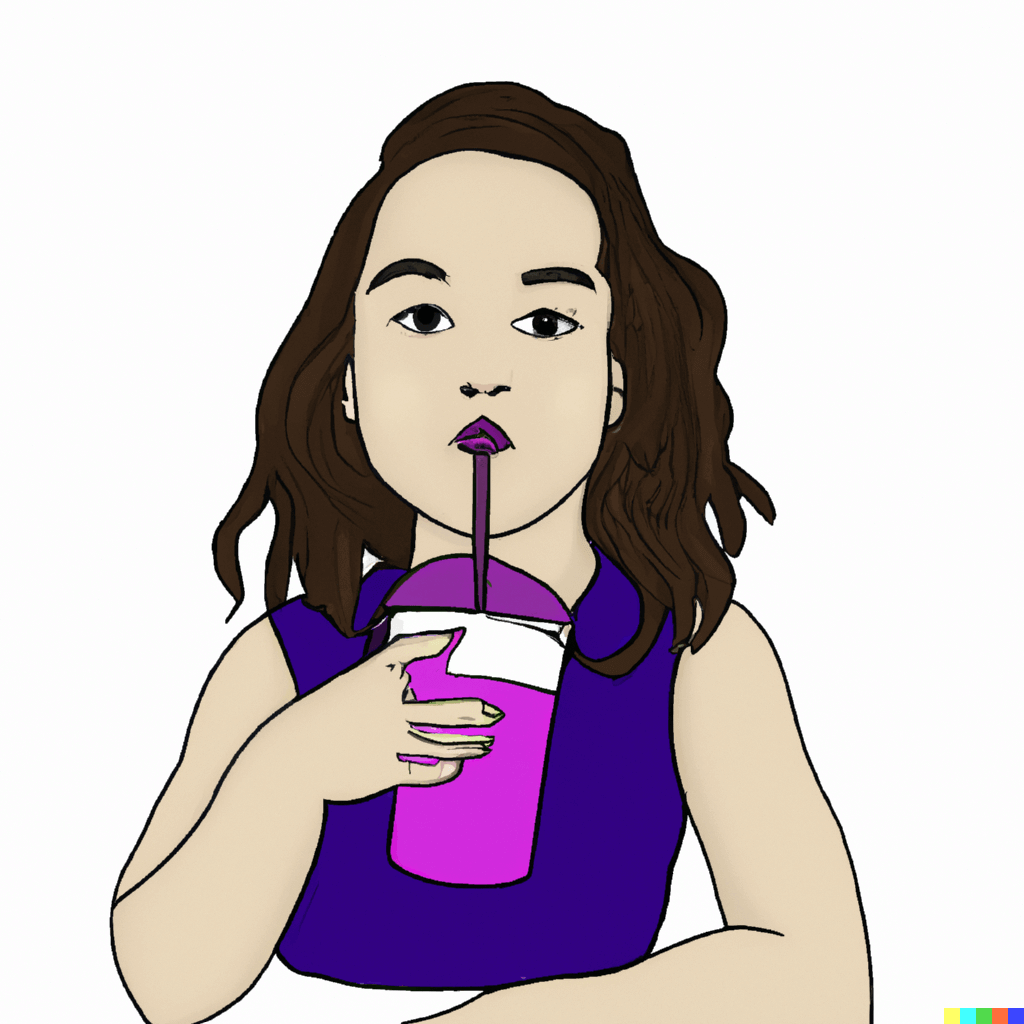
Drawing of a young woman drinking from a bright pink cup through a straw, illustrating nutrition shakes for ARFID and eating disorder recovery.

TL; DR Nutritional supplement shakes play a vital role in eating disorder recovery by helping restore nutritional health. These shakes provide a high-calorie, nutrient-dense liquid option for those struggling to consume enough food, especially early in recovery when feelings of fullness can be challenging. Popular brands like Boost and Ensure offer various formulations, including dairy …

Read more

How Much Food to Feed: Guidelines From Family-Based Treatment

A family having dinner together at a table, illustrating how much food to feed a teen in Family-Based Treatment (FBT).

TL; DR In Family-Based Treatment, parents play a crucial role in helping their teens recover from eating disorders by providing adequate nutrition. Here’s a simplified overview of how much to feed: Feed More Than You Think: Healthy teens, especially those needing weight restoration, often require 2000-6000 calories daily. Early weight gain (4-5 pounds in the …

Read more

Is Your Young Adult With an Eating Disorder Ready for College?

A group of college students walking, talking, and laughing together, illustrating college readiness after an eating disorder.

TL; DR Transitioning to college can be especially challenging for young adults with eating disorders. The stress of new environments, social pressures, and lifestyle changes can exacerbate their struggles. To assess readiness, it’s crucial to evaluate their recovery over the past six months, ensuring they’ve maintained a healthy weight, avoided eating disorder behaviors, and can …

Read more

Skip to content