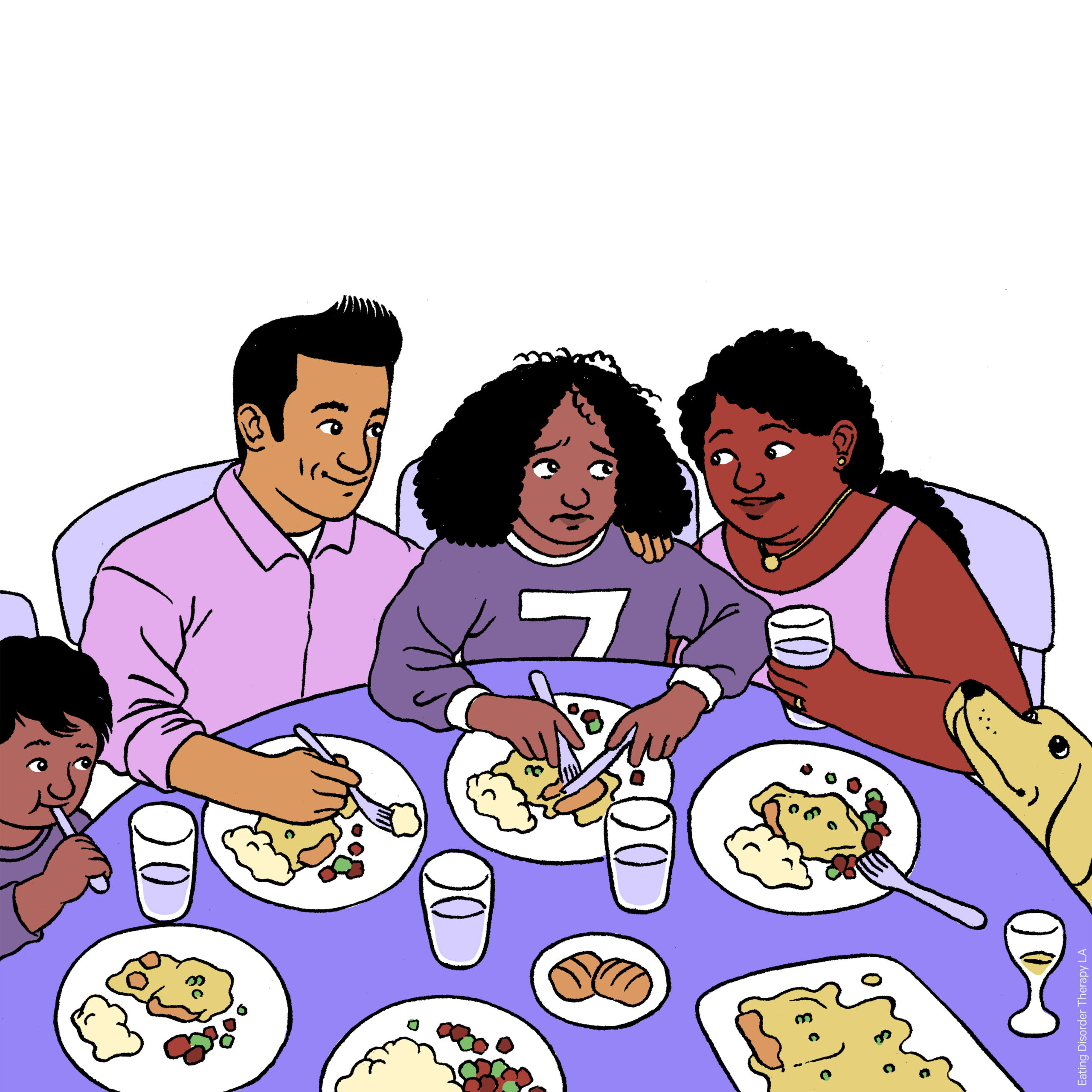
In Family-Based Treatment, parents play a crucial role in helping their teens recover from eating disorders by providing adequate nutrition. Here’s a simplified overview of how much to feed:
Feed More Than You Think: Healthy teens, especially those needing weight restoration, often require 2000-6000 calories daily. Early weight gain (4-5 pounds in the first month) is critical for recovery success.
Higher Calorie Meal Plans: Faster weight gain benefits overall health and reduces stress for both teens and parents. Research shows higher-calorie diets don’t increase distress, so it’s advisable to provide more food.
Monitor for Refeeding Syndrome: Before starting home refeeding, ensure your teen is screened for refeeding syndrome, especially if they are at a low weight or have had minimal intake recently.
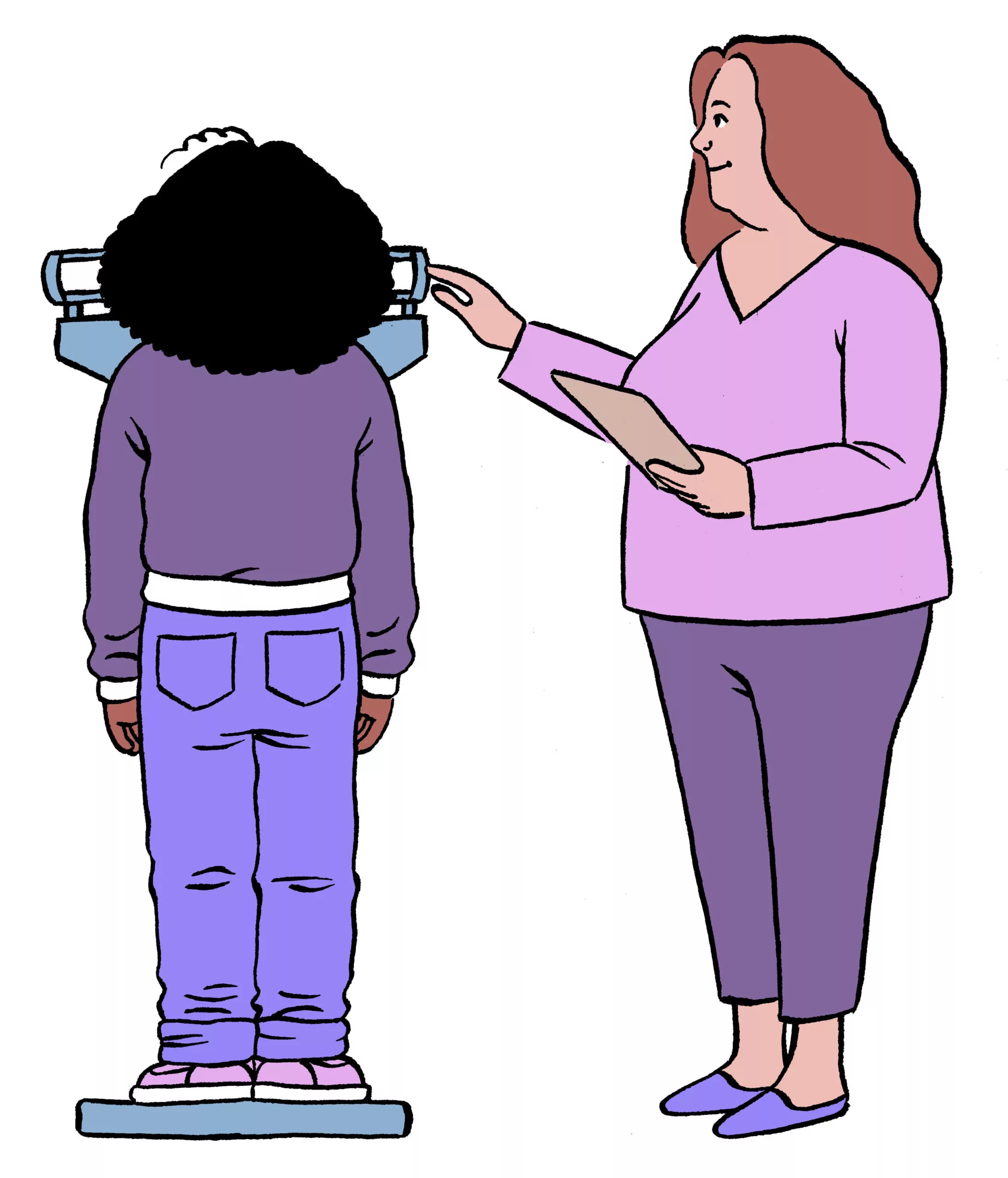
Track Weight Regularly: Weekly weigh-ins help adjust calorie intake based on weight gain. Don’t panic about fluctuations; focus on overall trends.
Don’t Wait for Hunger Cues: Teens with eating disorders may not express hunger. Stay proactive in increasing portion sizes and feeding schedules.
Increase Caloric Density: Utilize strategies to boost caloric density in meals. Resources like the book When Your Teen Has an Eating Disorder can guide you through this process.
In Family-Based Treatment (FBT), we charge families with nourishing their teens back to health through meals at home. Because FBT is a parent empowerment model, parents are often given little specific guidance about how to do this. If you are like other families with whom I’ve worked, now that you understand this important point, you are likely wondering, “How much should I feed?”
We are so warped by diet culture that many parents are unaware of the high caloric needs of healthy teens, and even less aware of the even higher needs of teens who need to restore significant weight and may be hypermetabolic.
So many parents starting FBT feel excited when they get their teen to eat more complete meals than they were eating previously, before the parents started intervening. They are surprised when their teen does not gain any weight or even loses weight after this seemingly significant increase in intake. And then, precious time is wasted with no early weight gain.
Early weight gain of at least four pounds in the first four weeks is predictive of more success long-term with FBT, so we try to hit the ground running. Clinical trials affirm this fact: families who ultimately succeed with FBT demonstrated early weight gain during treatment.
Ideally, we would like to see two or even as much as four or five pounds of weight gain a week. Many teens have 30 or so pounds to gain. Do the math: if the teen gains half a pound a week (something parents are usually initially encouraged by), it will take 60 weeks—over a year—to gain the 30 pounds. By contrast, if the teen gains three pounds a week, it will take only 10 weeks!
Also, keep in mind that steady weight gain does not mean a steady caloric intake. In fact, the more someone weighs, the more calories they burn because they need more calories to just maintain a higher mass. This means that weight gain is usually EASIER for a more malnourished teen; As the teen gains weight, there is often a need to increase their diet to maintain the same rate of weight gain. Many families find that they need to increase calories every week for a while.
Faster weight gain is usually:
Many parents feel tempted to “go slower” to “make it easier and reduce stress.”
However, a recent study out of UCSF’s eating disorder program showed that a lower-calorie meal plan—compared to a higher-calorie plan—did not reduce distress among hospitalized teen and young adult patients with anorexia nervosa (AN) and atypical anorexia (AAN) (Accurso et al., 2023). Teen and young adult patients fed a higher-calorie refeeding diet did not have greater complications with food refusal, mealtime distress, and affective states.
The researchers noted that most individuals preferred lower-calorie refeeding plans, but the results suggest that “the perception or anticipation of increased calories is more distressing than the actual presentation of increased calories on the meal tray.” They noted that most participants who received the lower-calorie refeeding diet believed they had received the higher-calorie diet. This is consistent with the pathology of anorexia and atypical anorexia: most patients perceive any adequate caloric plan as “high calorie.”
So if your teen will experience the same amount of distress regardless of the amount you feed, why not feed more?
Such high-calorie needs often perplex teens and their parents. It takes a surprising amount of energy to restore a starving body to health and rebuild everything that was depleted during the period of restriction. During the process of renourishment, individuals with anorexia nervosa often become hypermetabolic—that is, their metabolism has kicked into high gear (Marzola et al. 2013). The body may convert additional calorie intake into heat rather than using it to build tissue. This paradoxical symptom makes recovery even harder. Hypermetabolism can persist for up to two years after weight restoration. Thus, you should anticipate higher calories as the ‘new normal’ and only reduce if truly your child’s body makes it clear they no longer need as much to grow normally. You may also want to incorporate supplemental nutrition shakes to help achieve these high-calorie goals.
As one gains weight, the body burns more energy, so calorie needs further increase. As a result, individuals recovering from anorexia nervosa usually require escalating calorie intake to maintain a steady weight gain. Weekly weigh-ins to record progress are a prudent way to track whether calorie intake is pacing the body’s changing needs. A minimum of once a week helps track progress during the weight gain phase. If you are concerned, you can weigh more frequently. Increase calorie intake if and when the rate of weight gain slows or stops. Sometimes weight can increase in spurts—don’t immediately panic if the pace of weight gain slows one week. But if it slows for more than one week, definitely increase the meal plan.
On the other hand, don’t panic if you get four or more pounds of weight gain in a week. Throughout my time as an FBT therapist in Los Angeles, I have seen families and teens panic after one significant increase—which, early on, especially, may be largely water weight—presume they are “feeding too much” and cut back, and then experience no gain or even a loss the following week. If you get a few weeks of four or more pounds of weight gain in the beginning, this is a great start. Keep going!
If your teen eats everything easily, seems interested in more, or asks about upcoming meals with interest, those are signs you might be able to easily increase portions. Do not expect or wait for your teen with an eating disorder to openly express hunger. Teens with eating disorders rarely ask for food or express hunger until much further on in recovery. However, experiencing hunger during the early phases of recovery can be scary. Feeling hungry on a refeeding diet also can lead to shame for a person with an eating disorder. I advise parents to try to stay ahead of hunger (this is kinder) and to learn about the importance of setting appropriate goal weights in eating disorder recovery.
Learning strategies for increasing the caloric density of foods can greatly help with high-calorie needs. My book, When Your Teen Has an Eating Disorder, presents a family-based treatment (FBT) method. It teaches strategies you can apply to assist your teenager in their recovery journey. This resource will provide you with insights into effectively supporting your teen’s nutritional rehabilitation, normalizing their eating habits, and handling mealtimes. Additionally, you’ll gain the knowledge needed to guide your teen in expanding their food choices and equipping them with coping strategies and recovery skills to reduce the risk of relapse. With the guidance of this empathetic handbook, you’ll feel empowered to nurture your teen’s recovery and keep them on the path to healing.
If you’re pursuing family-based treatment (FBT), you may be wondering how much food your teen actually needs during recovery. One of the strengths of FBT is that it gives parents clear, evidence-based guidance so they can confidently lead meals and support the nutrition required for healing.
You don’t have to second-guess every portion or meal decision. With the structure of FBT, families learn practical strategies for restoring weight, addressing resistance around food, and ensuring their teen receives adequate nutrition for recovery. At Eating Disorder Therapy LA, our Los Angeles–based therapists specialize in family-based treatment for adolescents with anorexia, bulimia, and related eating disorders, helping parents feel more confident about how to nourish their teen during this critical stage. Getting started is simple:
Beginning family-based treatment (FBT) can raise many practical questions for parents, especially around meals and how much food is needed to support recovery. With the right guidance, families can take an active role in restoring nutrition, stabilizing their teen’s health, and helping them rebuild a more secure relationship with food and their body.
At Eating Disorder Therapy LA, we provide comprehensive, evidence-based care for children, adolescents, college students, adults, and caregivers. Our clinicians specialize in treating the full spectrum of eating disorders and related concerns. In addition to FBT, we offer therapy for Anorexia Nervosa, Atypical Anorexia, Bulimia Nervosa, Avoidant/Restrictive Food Intake Disorder (ARFID), and Binge Eating Disorder. We also help individuals address related challenges such as excessive exercise, body image distress, and phobias involving swallowing, choking, or vomiting.
To ensure families can access care that fits their needs, our Los Angeles–based practice offers both virtual therapy and eating disorder group therapy. We also provide small group FBT and ARFID consultations, professional speaking, training and educational programs, school-based services, and clinical supervision for therapists seeking advanced training in eating disorder treatment.
For additional insight and support, we invite you to explore our eating disorder blog and Dr. Muhlheim’s books, When Your Teen Has an Eating Disorder and The Weight-Inclusive CBT Workbook for Eating Disorders (available in 2026). If you’d like to connect with our team, please call (323) 743-1122 or email Hello@EDTLA.com. We look forward to supporting your family on the path to recovery.
Dr. Lauren Muhlheim, Psy.D., FAED, CEDS-C, is the founder of Eating Disorder Therapy LA and a licensed psychologist specializing in evidence-based treatment for eating disorders across the lifespan. Her clinical work focuses heavily on family-based treatment (FBT), where she helps parents confidently lead the refeeding process and support their teen’s recovery at home—an approach closely tied to questions about how much food is needed during recovery. Dr. Muhlheim treats anorexia, bulimia, binge eating disorder, ARFID, and related concerns, and is one of the few FBT-certified therapists in Los Angeles. She is the author of When Your Teen Has an Eating Disorder and The Weight-Inclusive CBT Workbook for Eating Disorders, and she developed one of the only FBT training programs for dietitians. Licensed in California, Indiana, New York, and Oregon, with a Florida telehealth license, she is widely recognized for her leadership in family-centered, weight-inclusive eating disorder care.
, , , , , , , , & (2023). Hospital-based higher calorie refeeding and mealtime distress in adolescents and young adults with anorexia nervosa or atypical anorexia nervosa. International Journal of Eating Disorders, 56(6), 1219–1227.
Marzola E, Nasser JA, Hashim SA, Shih PA, Kaye WH. Nutritional rehabilitation in anorexia nervosa: review of the literature and implications for treatment. BMC Psychiatry. 2013 Nov 7;13:290. doi: 10.1186/1471-244X-13-290.
TL; DR Nutritional supplement shakes play a vital role in eating disorder recovery by helping…
TL; DR Emetophobia is an intense fear of vomiting that can severely limit a person's…
TL; DR Transitioning to college can be especially challenging for young adults with eating disorders.…
TL;DR Online Family-Based Treatment (FBT) is a highly effective therapy for teens with eating disorders,…
TL; DR In her insightful piece, Dr. Lauren Muhlheim uses a zip-lining experience as a…
TL; DR Family-Based Treatment (FBT) is the leading outpatient therapy for adolescent eating disorders, particularly…