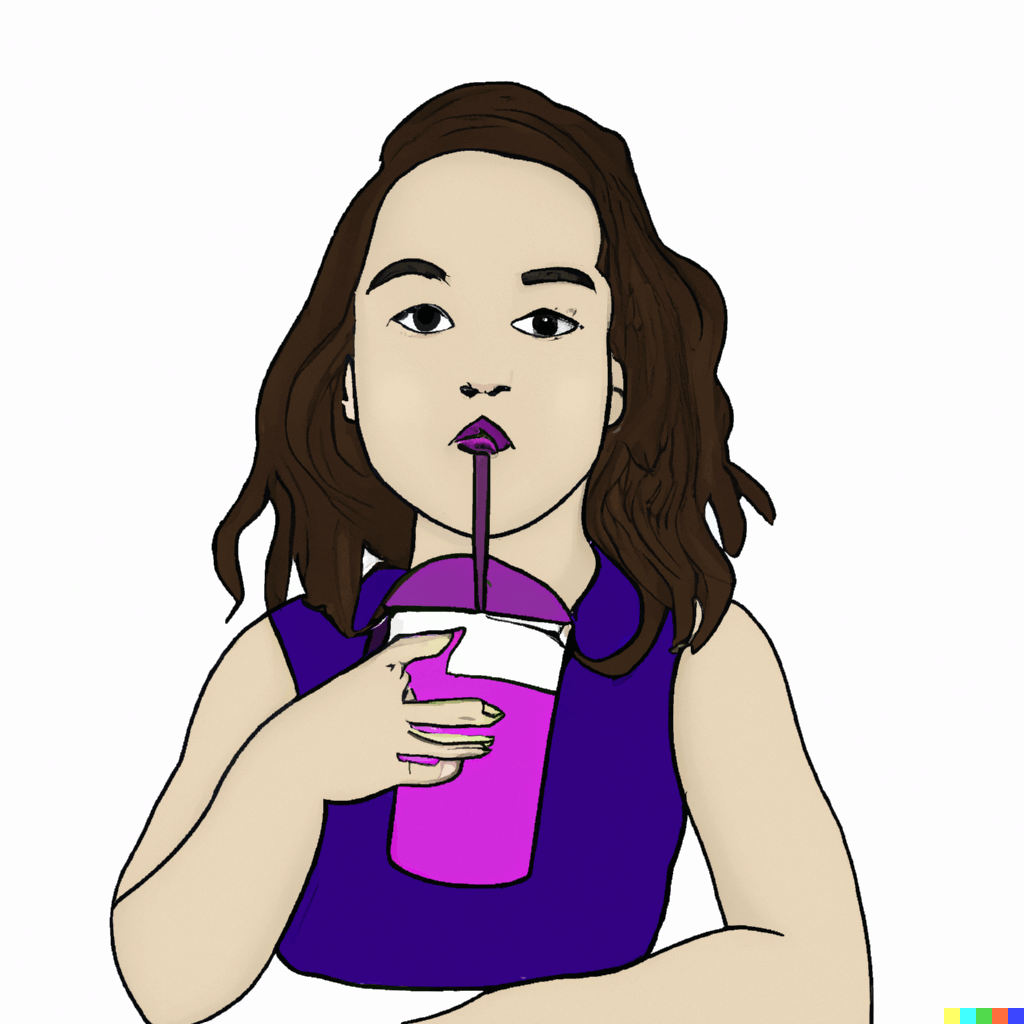
Nutritional Supplement Shakes in Eating Disorder Recovery: Expert Insights

An illustrated young woman drinks from a bright pink cup through a straw. Are nutritional shakes the right fit for your teen's eating disorder recovery journey? A FBT therapist in Los Angeles can guide your family toward a personalized and effective treatment plan.

TL; DR Nutritional supplement shakes play a vital role in eating disorder recovery by helping restore nutritional health. These shakes provide a high-calorie, nutrient-dense liquid option for those struggling to consume enough food, especially early in recovery when feelings of fullness can be challenging. Popular brands like Boost and Ensure offer various formulations, including dairy …

Read more

Supporting a Loved One with Emetophobia: Guidance From a Therapist

An illustrated couple shares a tender embrace, the man gently holding the woman from behind, both eyes closed peacefully. How can you be there for someone struggling with emetophobia without feeling helpless? Emetophobia therapy in Los Angeles offers tools and support for both individuals and their loved ones.

TL; DR Emetophobia is an intense fear of vomiting that can severely limit a person’s life, leading to avoidance of various situations and activities. If you have a loved one struggling with this phobia, here are key ways you can provide support: Educate Yourself: Understanding emetophobia helps you empathize with their struggles and recognize it …

Read more

Is Your Young Adult With an Eating Disorder Ready for College?

A group of college students walking, talking, and laughing together. Is your young adult with an eating disorder ready for college? Work with an FBT therapist in Los Angeles, CA, to help ensure their comfort and success.

TL; DR Transitioning to college can be especially challenging for young adults with eating disorders. The stress of new environments, social pressures, and lifestyle changes can exacerbate their struggles. To assess readiness, it’s crucial to evaluate their recovery over the past six months, ensuring they’ve maintained a healthy weight, avoided eating disorder behaviors, and can …

Read more

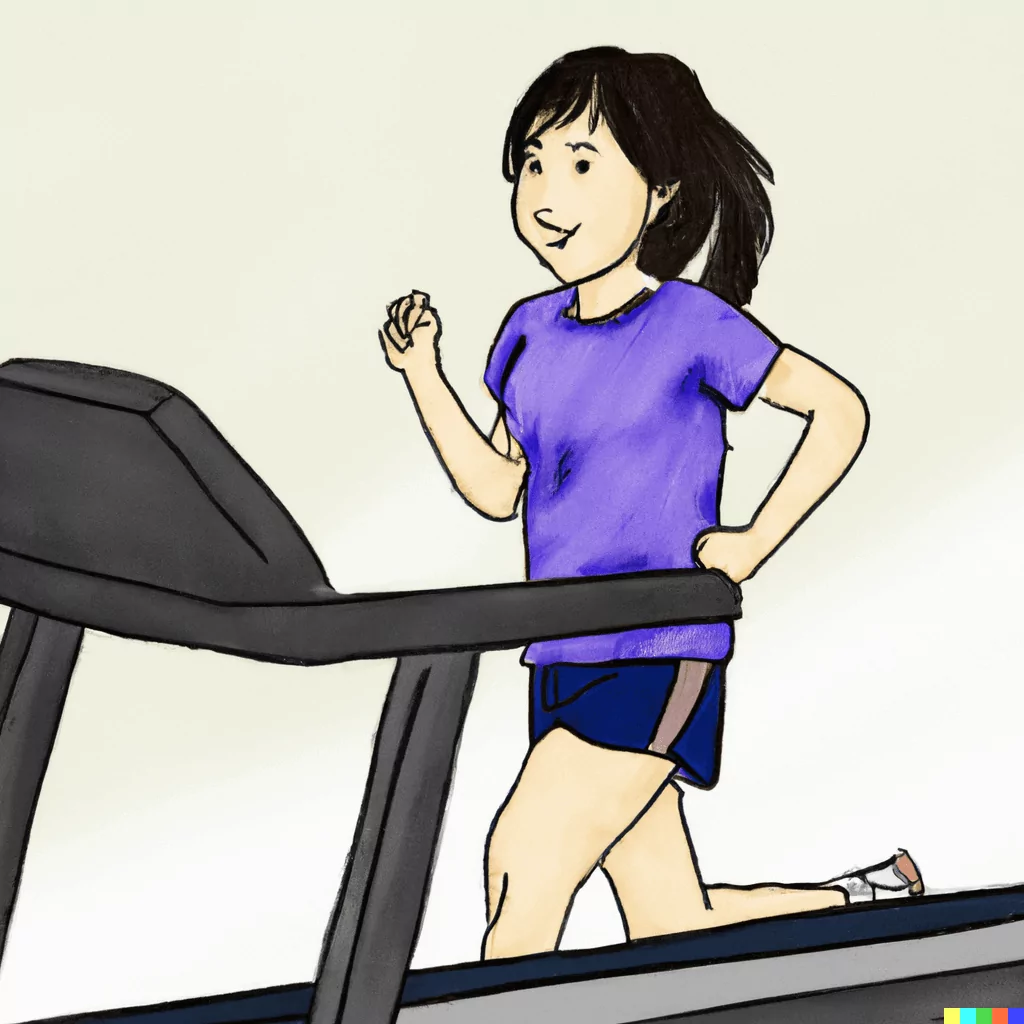
Return to Exercise and Eating Disorder Recovery in Teens During FBT

Drawing of a teen running on a treadmill. Wondering about when to incorporate physical activity during eating disorder recovery? An FBT therapist in Los Angeles, CA, can help you find healthy balance for you and your child.

TL;DR Excessive exercise is a common symptom in teens with eating disorders, potentially worsening their condition. During Family-Based Treatment (FBT), the approach to exercise is phased: Phase 1: Focus is on weight gain and stopping eating disorder behaviors. Exercise is typically halted for safety, as malnourished teens are at risk for serious health issues. Parents …

Read more

Early Intervention with Family-Based Treatment (FBT) for Eating Disorders

A teen girl sits next to a doctor who is writing notes. Does your teen show early signs of an eating disorder? Get equipped with the right guidance from a n FBT therapist in Los Angeles, CA.

TL;DR Early intervention is crucial in addressing eating disorders, which can lead to severe health issues if not treated promptly. Family-Based Treatment (FBT) is a leading, evidence-based approach tailored for teens, emphasizing parental involvement to support recovery. Despite its potential benefits, parents often hesitate to intervene due to uncertainty about the early signs of these …

Read more

Impact on Eating When You Have a Specific Fear of Vomiting (Emetophobia)

Therapy for Emetophobia--specific fear of vomiting [Image description: purple scrabble tiles spelling out "emetophobia" & "vomit."]

By Carly Poynter, Psy.D. and Lauren Muhlheim, Psy.D. Do you have a fear of vomiting? Does your fear of vomiting impact your ability to eat certain foods, in certain situations, or to an adequate level of fullness? If you have been diagnosed with a restrictive eating disorder, this phobia may drive your eating.  You have …

Read more

Eating Disorder Therapy Vs. Ozempic and Other GLP-1s

Guest post by 2023-2024 doctoral extern, Vera Levi, MA Many of our prospective clients are curious about GLP-1s for weight loss. They arrive seeking therapy for their eating disorder while simultaneously pursuing a prescription for Ozempic–not to treat a medical condition– but to lose weight. Here’s what you should know. Eating Disorder Clients Seeking Weight …

Read more

Eating Disorders Before and After Bariatric Surgery–What You Need to Know

Eating Disorders and Bariatric Surgery [Image description: purple scrabble tiles spelling "Eating Disorders and Bariatric Surgery"]

Health professionals often recommend bariatric surgery for patients with larger bodies. A large body size, referred to in the medical world as “obesity,”—a term we will not use unless citing medical data— is not the same as an eating disorder. Yet, there is an intersection. A considerable number of people considering bariatric surgery may have …

Read more

Orthorexia

Post by Carly Poynter, Psy.D., staff therapist What is Orthorexia? Orthorexia is an eating disorder in which an individual is fixated on the quality of food and avoidance—in the pursuit of health—of foods labeled as “unhealthy” or “bad.” The person continues to pursue “health” despite experiencing considerable negative health consequences and an impact on psychological …

Read more

What is Diabulimia?

Diabulimia in Los Angeles, California [Image description: photo of purple scrabble tiles spelling "diabulimia"]

By Carly Poynter, AMFT Diabulimia is the combination of diabetes—“dia”—and “bulimia.” While diabulimia is not a medical diagnosis, this term describes the comorbid diagnosis of an eating disorder and type-1 diabetes. Medical provider refer to diabulimia as ED-DMTI. Type 1 diabetes is a medical condition—an autoimmune disease. In type 1 diabetes (T1D), the immune system …

Read more

Skip to content