Eating Disorder Recovery When Grieving: A Therapist’s Perspective

A vivid blue morpho butterfly resting with open wings, for an article on eating disorder recovery when grieving.

TL; DR Grief is one of the most powerful threats to eating disorder recovery, and one of the least talked about. Written from personal experience, this blog explores how the sudden loss of a mother tested years of hard-won recovery from emotional eating and bulimia. And what it actually took to stay the course through …

Read more

7 Reasons You Should Eat When You’re Not Hungry

Drawing of two women holding colorful ice cream cones, illustrating eating for pleasure and connection in eating disorder recovery.

TL;DR “Only eat when you’re hungry” is one of diet culture’s most deeply ingrained rules, and one of the most harmful for people recovering from eating disorders. The truth is, there are many valid reasons to eat even when hunger isn’t present, including: Eating disorder recovery: following a structured meal plan helps restore hunger and …

Read more

How We Set Recovery Weights and Why It Matters for Long-Term Healing

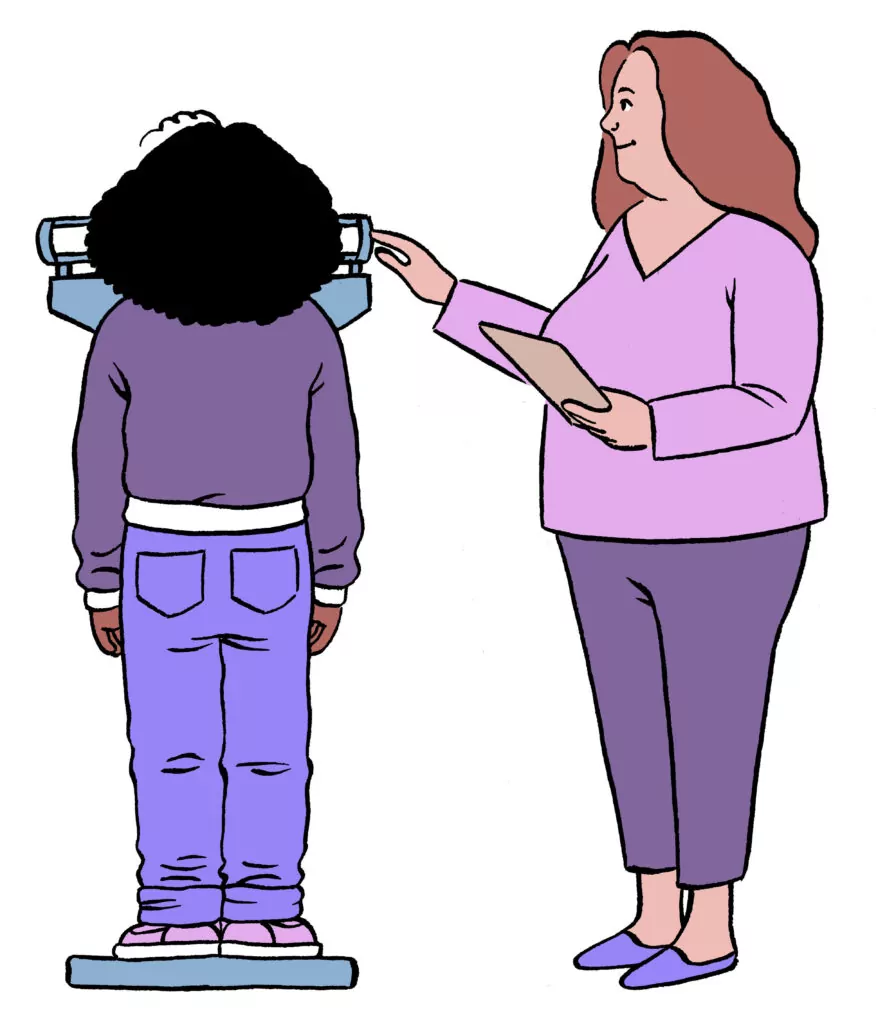
Drawing of a doctor weighing a teen patient, illustrating weight monitoring and recovery weights in Family-Based Treatment (FBT).

TL;DR Weight gain is a vital part of recovery from eating disorders for individuals of all sizes, including those with Atypical Anorexia and bulimia. However, there’s a lack of consensus on how to set appropriate recovery weights. Research shows that complete weight restoration is often essential for psychological recovery, as it helps alleviate eating disorder …

Read more

Curate Your Feed with Diverse Body Positive Accounts on Instagram

Instagram post from resilientfatgoddess of a smiling trans nonbinary person, titled "Curate Your Feed With Diverse Body Positive Accounts."

Diverse Instagram Accounts Can Support Recovery by SJ Thompson Belmonte, Resilient Fat Goddex and Lauren Muhlheim, Eating Disorder Therapy LA It’s time to curate your feed to have a more diverse social media feed. “Body positivity can’t be just about thin, straight, cisgendered, white women who became comfortable with an additional ten pounds on their …

Read more

Can’t Horseback Ride Because of Your Size? That Might Just Be a Load of “Horse Shit.”

Drawing of a fat person with long blonde hair in a purple shirt, riding a horse away from view, illustrating horseback riding when fat.

  By Carolyn Comas, LCSW, CEDS-S, Clinical Supervisor Can you horseback ride if you are fat? Navigating the world in a fat body can be frustrating and may feel disheartening. There are, unfortunately, some activities and spaces that do not accommodate people in large bodies. When someone in a big body encounters spaces that do …

Read more

Your Body’s Setpoint Weight

A red hammer on a bathroom scale, illustrating accepting your body's setpoint weight.

What is Setpoint? Setpoint refers to the weight at which your body functions optimally. Think of it like the weight at which your body wants to be—and if your body falls below this weight, your body gets messages to return you to a higher weight. This weight range is primarily genetically determined and will be …

Read more

CBT-WI: Weight-Inclusive CBT for Eating Disorders

A larger-bodied, gender-neutral person faces a therapist, illustrating weight-inclusive CBT (CBT-WI) for eating disorders.

“What is Weight-Inclusive Cognitive Behavioral Therapy CBT-WI? Cognitive-Behavioral Therapy is the most effective approach for treating adults with eating disorders, including bulimia nervosa and binge eating disorder. The most recent, commonly taught, and implemented version is an “enhanced” protocol, CBT-E (Fairburn, Christopher G., 2008). Unfortunately, Cognitive Behavioral Therapy (CBT) for eating disorders is not always …

Read more

How Diet Culture Can Harm Your Recovery from ARFID

A woman buying bread (ARFID and Diet Culture)

by Carolyn Comas, LCSW, CEDS-S, Clinical Supervisor People diagnosed with Avoidant Restrictive Food Intake Disorder (ARFID) struggle with consuming adequate nutritional intake due to either 1) fear of aversive consequences (i.e choking), 2) low interest in food altogether, or 3) sensory sensitivity to food textures, smells, or appearance. Usually, people with ARFID do not report …

Read more

How a Health at Every Size(R) (HAES) Approach Can Help With Eating Disorder Recovery

A larger-bodied Black woman eating a donut, illustrating a Health at Every Size (HAES) approach to eating disorders.

Eating disorders are not only about body image. Nor have they only recently arisen in response to societal pressures to be thin. In fact, eating disorders date back to at least the 13th and 14th centuries, when it was observed that women were fasting to demonstrate religious devotion. However, today eating disorders do occur in …

Read more

Skip to content