Nutritional Supplement Shakes in Eating Disorder Recovery: Expert Insights

An illustrated young woman drinks from a bright pink cup through a straw. Are nutritional shakes the right fit for your teen's eating disorder recovery journey? A FBT therapist in Los Angeles can guide your family toward a personalized and effective treatment plan.

TL; DR Nutritional supplement shakes play a vital role in eating disorder recovery by helping restore nutritional health. These shakes provide a high-calorie, nutrient-dense liquid option for those struggling to consume enough food, especially early in recovery when feelings of fullness can be challenging. Popular brands like Boost and Ensure offer various formulations, including dairy …

Read more

Supporting a Loved One with Emetophobia: Guidance From a Therapist

An illustrated couple shares a tender embrace, the man gently holding the woman from behind, both eyes closed peacefully. How can you be there for someone struggling with emetophobia without feeling helpless? Emetophobia therapy in Los Angeles offers tools and support for both individuals and their loved ones.

TL; DR Emetophobia is an intense fear of vomiting that can severely limit a person’s life, leading to avoidance of various situations and activities. If you have a loved one struggling with this phobia, here are key ways you can provide support: Educate Yourself: Understanding emetophobia helps you empathize with their struggles and recognize it …

Read more

How Much Food to Feed: Guidelines From Family-Based Treatment

Photo of a family having dinner together at a table. Are you wondering how much to feed during eating disorder recovery? Learn how to identify the right amount for your teen with guidance in family-based treatment in Los Angeles, CA.

TL; DR In Family-Based Treatment, parents play a crucial role in helping their teens recover from eating disorders by providing adequate nutrition. Here’s a simplified overview of how much to feed: Feed More Than You Think: Healthy teens, especially those needing weight restoration, often require 2000-6000 calories daily. Early weight gain (4-5 pounds in the …

Read more

Is Your Young Adult With an Eating Disorder Ready for College?

A group of college students walking, talking, and laughing together. Is your young adult with an eating disorder ready for college? Work with an FBT therapist in Los Angeles, CA, to help ensure their comfort and success.

TL; DR Transitioning to college can be especially challenging for young adults with eating disorders. The stress of new environments, social pressures, and lifestyle changes can exacerbate their struggles. To assess readiness, it’s crucial to evaluate their recovery over the past six months, ensuring they’ve maintained a healthy weight, avoided eating disorder behaviors, and can …

Read more

Online Family-Based Treatment: The Benefits of Virtual Support

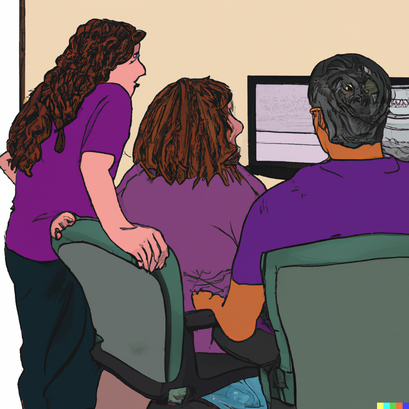
Drawing of a teen and her parents in front of a computer screen. Curious about how telehealth can support your child's eating disorder recovery? Discover the steps and benefits of online family-based treatment (fbt) in Los Angeles, CA.

TL;DR Online Family-Based Treatment (FBT) is a highly effective therapy for teens with eating disorders, emphasizing parental involvement in treatment. Delivered via telehealth, it allows families to participate from home, making it accessible for busy schedules. Research shows that online FBT can lead to significant improvements in weight, eating disorder symptoms, and overall mental health, …

Read more

FBT Meal Strategies Gleaned from Ziplining: A Therapist’s Perspective

Photo of Dr. Lauren Muhlheim on a zip line. An FBt therapist in Los Angeles, CA, shares a metaphor from her zip-lining experience, including meal strategies that canhelp parent support their teen’s eating disorder treatment.

TL; DR In her insightful piece, Dr. Lauren Muhlheim uses a zip-lining experience as a metaphor to illustrate how parents can support their children with eating disorders during family-based treatment (FBT). She highlights key strategies that can ease the anxiety surrounding mealtimes, akin to facing the fear of jumping from a plane. Physical Placement: Parents …

Read more

Research on the Family Meal in FBT: The Impact of Parental Direction

A family sits around a dining table. What is the impact of the family meal during family-based treatment? An FBt therapist in Los Angeles, CA, explains the effect this time can have on teens during their eating disorder treatment.

TL; DR Family-Based Treatment (FBT) is the leading outpatient therapy for adolescent eating disorders, particularly anorexia. A key component is the family meal, where parents actively encourage their teens to eat, often under the observation of a therapist. Research with 21 families revealed that direct prompts (like urging teens to eat specific foods) were more …

Read more

Five Reasons Parents Should Be Included In Their Child’s Eating Disorder Treatment

Three eating disorder therapists at the 2016 IAEDP Symposium. Are you wondering how much impact parents can have on their child’s eating disorder treatment? Find out by meeting with an FBt therapist in Los Angeles, CA.

TL; DR Including parents in the treatment of children and adolescents with eating disorders is essential for effective recovery. Here are five compelling reasons: 1. Debunked Myths. Historical views blaming parents for eating disorders have been disproven, shifting the focus to inclusive care. 2. Best Practices. Current clinical guidelines advocate for family involvement, emphasizing that …

Read more

With a Little Help From My Family: Who is FBT For?

Two Asian women eating together. Are you an adult with an eating disorder? Find out how you may benefit from Family-based treatment in Los Angeles, CA. Discover success in a recovery plan that relies on the whole family for support.

TL;DR Family-Based Treatment (FBT) is not just for teens; it can be effective for adults, too. Originally designed for adolescents with anorexia and bulimia, FBT involves parental support in meal planning and supervision, which is crucial for recovery. Recent evidence suggests its application extends to young adults and older individuals, with many successfully using it …

Read more

Skip to content