Unintentional Weight Loss as a Trigger for Anorexia.

Contrary to popular belief, weight loss leading to anorexia nervosa (AN) does always start intentionally and may follow an illness. Some of the biggest misunderstandings about anorexia nervosa center around it being an intentional illness and related to vanity. Paper on Unintentional Onset of Anorexia A paper by Brandenburg and Andersen in 2007 entitled Unintentional …

Read more

Interested in Weight Loss? We CAN’T Help You. Here’s Why

Learn more about the non-diet approach at Eating Disorder Therapy LA - Health at Every Size (HAES)

Learn More About Our Non-Diet Approach At Eating Disorder Therapy LA, we treat eating disorders (including Anorexia Nervosa, Bulimia Nervosa, Binge Eating Disorder, and Other Specified Feeding and Eating Disorder or OSFED) across the weight spectrum. We often get inquiries from clients interested in help for binge eating or emotional eating, with their primary goal …

Read more

How We Set Recovery Weights and Why It Matters for Long-Term Healing

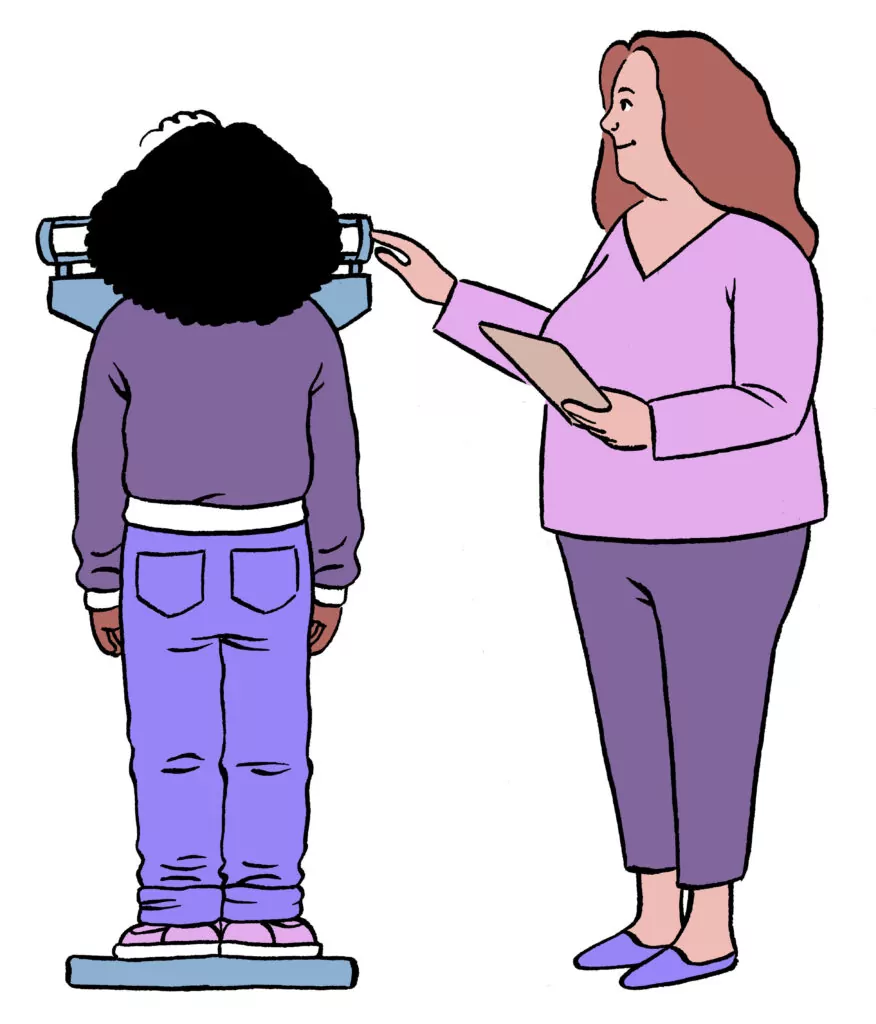
Drawing of a doctor weighing a teen patient. Are you wondering how we set recovery weights in eating disorder recovery? Learn how Family-based Treatment in Los Angeles, CA, prioritizes health and long-term success for teens and adults.

TL;DR Weight gain is a vital part of recovery from eating disorders for individuals of all sizes, including those with Atypical Anorexia and bulimia. However, there’s a lack of consensus on how to set appropriate recovery weights. Research shows that complete weight restoration is often essential for psychological recovery, as it helps alleviate eating disorder …

Read more

Your Body’s Setpoint Weight

Accepting your body's setpoint [Image description: red hammer on a bathroom scale] represents the rejection of diet culture by a person in eating disorder recovery in Los Angeles, California

What is Setpoint? Setpoint refers to the weight at which your body functions optimally. Think of it like the weight at which your body wants to be—and if your body falls below this weight, your body gets messages to return you to a higher weight. This weight range is primarily genetically determined and will be …

Read more

CBT-WI: Weight-Inclusive CBT for Eating Disorders

CBT plus HAES for Eating Disorders [Image description: large bodied gender neutral person seated and facing a therapist whose back is to the camera] represents a potential client with an eating disorder receiving CBT plus HAES in Los Angeles, California

“What is Weight-Inclusive Cognitive Behavioral Therapy CBT-WI? Cognitive-Behavioral Therapy is the most effective approach for treating adults with eating disorders, including bulimia nervosa and binge eating disorder. The most recent, commonly taught, and implemented version is an “enhanced” protocol, CBT-E (Fairburn, Christopher G., 2008). Unfortunately, Cognitive Behavioral Therapy (CBT) for eating disorders is not always …

Read more

Is Weight Suppression Driving Your Binge Eating?

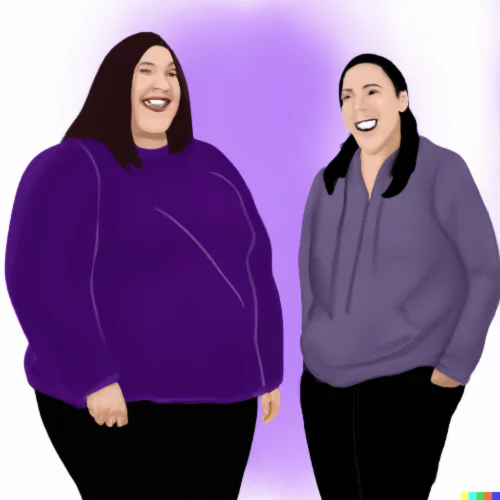
Is Weight Suppression Driving Your Binge Eating? in Los Angeles, California [Image description: drawing of two women wearing purple sweaters and one is fat] Represents potential person overcoming weight suppression during eating disorder therapy in Los Angeles, California

Weight Suppression and Binge Eating: What You Should Know If you have bulimia nervosa, did you know that being at a weight that is too low for your body could be a problem? And that it could be driving your binge eating and other behaviors. Many people are aware that patients with anorexia nervosa need …

Read more

Weight Gain in Bulimia Recovery

Weight gain in bulimia recovery in Los Angeles, California [Image description: purple scrabble tiles spelling "Weight gain in bulimia recovery"]

by Elisha Carcieri, Ph.D., therapist at EDTLA One of the hallmark features of eating disorders is placing a high value on body weight and shape in determining one’s self-worth. In addition, people with eating disorders often believe that diet, exercise, or–in the case of bulimia nervosa–purging, can control body shape and weight. Individuals with bulimia …

Read more

To the Family Member Who Worries I Am Not Helping Your Loved One’s “Weight Problem”

Learn About Our HAES Approach Dear Family Member, I understand your fears. I get it. You want the best for your loved one. You want him or her to have the best and healthiest and fullest life possible. I do too. You believe that helping your loved one to lose weight will help achieve these …

Read more

Ten Facts About Weight Stigma – Guest post by Liliana Almeida, Ph.D.

Weight Stigm [Image description: larger black woman holding towel that says "wide load"]

  Weight stigma is a bias or discrimination relating directly to weight. Despite the fact that more than half of U.S. citizens are larger-bodied, our society holds a strong negative bias against fatness. The media reinforces weight stigma. The media, such as news media, displays persons in larger bodies in stigmatizing ways by depicting them …

Read more

Return to Exercise and Eating Disorder Recovery in Teens During FBT

Drawing of a teen running on a treadmill. Wondering about when to incorporate physical activity during eating disorder recovery? An FBT therapist in Los Angeles, CA, can help you find healthy balance for you and your child.

TL;DR Excessive exercise is a common symptom in teens with eating disorders, potentially worsening their condition. During Family-Based Treatment (FBT), the approach to exercise is phased: Phase 1: Focus is on weight gain and stopping eating disorder behaviors. Exercise is typically halted for safety, as malnourished teens are at risk for serious health issues. Parents …

Read more

Skip to content