Expert Guidance: When to Add an Individual Therapist in FBT-Phase 1

Picture of a teen in an individual therapy session. Is an individual therapist during FBT necessary? An expert family-based treatment therapist in Los Angeles, CA, explains why it might not be a great idea.

TL;DR In Family-Based Treatment (FBT) for teen eating disorders, experts discourage adding an individual therapist during Phase 1 (nutritional rehabilitation). Most teens do not require individual therapy at this stage, as it can undermine the family’s role and the focus on nutritional restoration. Experts agree that individual therapy should only be considered if there are …

Read more

Are We Setting Recovery Weights Too Low? Insight From an FBT Therapist

Photo of a rusty doctor scale. Setting the right goal weight in eating disorder recovery can feel intimidating, but an experienced FBT therapist can help. Discover the tools you need for healthy success through Family-Based Treatment in Los Angeles, CA.

TL;DR At the 2018 International Conference on Eating Disorders, experts discussed the low BMI threshold (18.5) often used to define recovery from anorexia nervosa, suggesting it’s inadequate for many individuals, especially those with higher weights or atypical anorexia. Many parents and practitioners advocate for a more individualized approach to recovery weights, emphasizing that a higher …

Read more

How We Set Recovery Weights and Why It Matters for Long-Term Healing

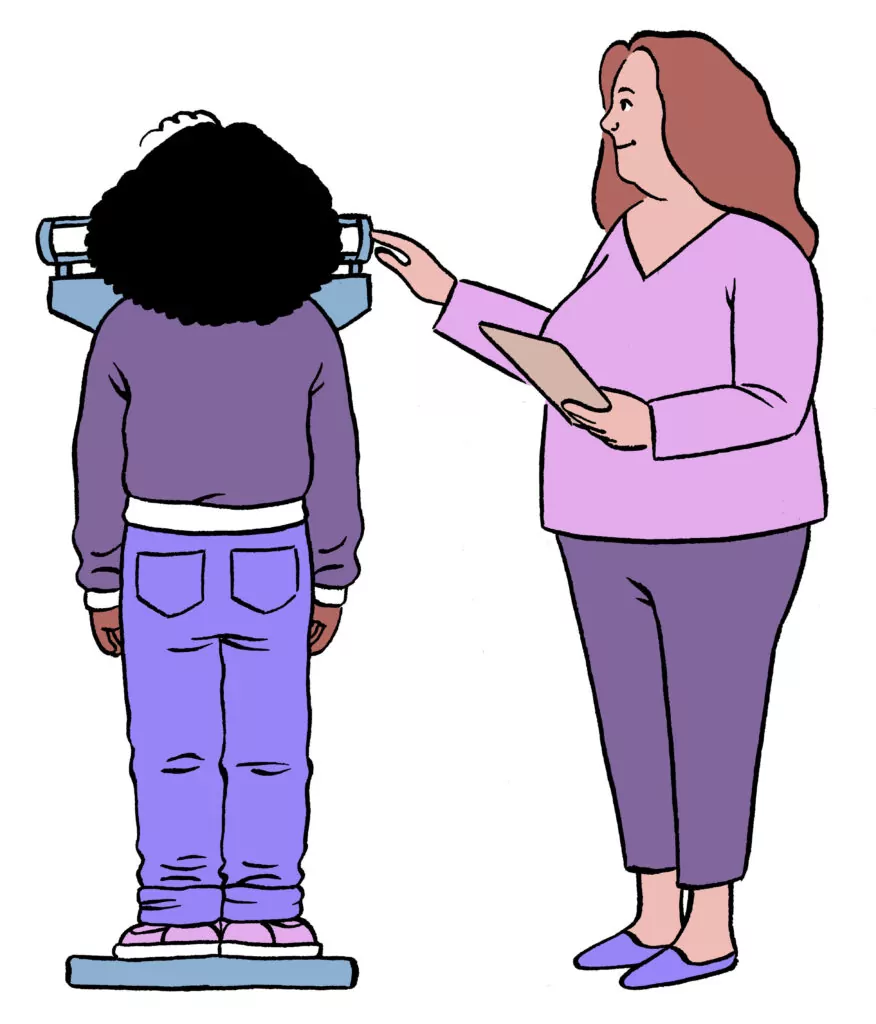
Drawing of a doctor weighing a teen patient. Are you wondering how to feed and recovery weights in eating disorder recovery? Learn how Family-based Treatment in Los Angeles, CA, prioritizes health and long-term success for teens and adults.

TL;DR Weight gain is a vital part of recovery from eating disorders for individuals of all sizes, including those with Atypical Anorexia and bulimia. However, there’s a lack of consensus on how to set appropriate recovery weights. Research shows that complete weight restoration is often essential for psychological recovery, as it helps alleviate eating disorder …

Read more

Maintaining Recovery During Short Lunch Times

Eating Lunch in Recovery [Image description: Neon Light spelling "EAT"] Depicts the instruction for a person in eating disorder recovery to eat lunch.

Guest post by 2024-2025 doctoral extern, Natalie Cynamon.  School lunchtime is ideal for catching up with friends, decompressing, or watching a show on your phone. However, it’s not long until the bell rings again, telling you it is time to return to class. With so little time to do what you want, it can be …

Read more

Should You Let Your Teen Become a Vegetarian?

Should you let your teen become vegetarian [Image description: purple scrabble tiles spelling "vegetarian" above a plate with raw vegetables]

By Katie Grubiak, RDN, and Lauren Muhlheim, Psy.D. We acknowledge that vegetarianism can offer benefits for both individuals and the environment. We also recognize that vegetarianism is embedded in some cultures and religions, and most children and teens raised in these cultures thrive. This article does not aim to debate the ethics of vegetarianism. Instead, …

Read more

What Parents of Teens with Eating Disorders Need to Understand About Diet Culture

What Parents Need to Know About Diet Culture [Image description: a larger woman smashing a scale] Represents a potential parent of a teen receiving eating disorder counseling in Los Angeles, California

Parents and Diet Culture Many parents experience guilt when their teen is diagnosed with an eating disorder. Nearly every parent can point to a time they themselves dieted, opted not to have a dessert they really wanted, expressed a preference toward thinness, or discouraged their child from keeping eating. You may have done things to …

Read more

Externalizing an Eating Disorder: When, Why, and How Do You Do That and Who is “Ed” Anyway?

Externalizing your eating disorder in Los Angeles, California [Image description: a drawing of a girl facing a monster] Represents a potential teen with an eating disorder in Los Angeles, California externalizing her eating disorder

Externalizing an eating disorder is a therapeutic strategy. Jenni Schaefer’s book Life Without Ed, co-written by her therapist Thom Rutledge, popularized this strategy The book summarizes Jenni’s recovery from an eating disorder. Jenni describes how in her treatment she learned to personify the eating disorder as “Ed,” an abusive boyfriend. As explained in the blurb …

Read more

Structuring Your Eating Disorder Recovery Environment

Structuring Your Eating Disorder Recovery Environment [Image description: hand visible writing in planner] represents a client in eating disorder recovery in Los Angeles, California writing a meal plan

Recovery is challenging! I am repeatedly moved and impressed by the courage of my patients as they work through recovery from an eating disorder. One strategy that can help support recovery is a careful ​structuring of one’s recovery environment. This applies to adults working individually in treatment as well as to families helping adolescents to recover from …

Read more

College, COVID, and Eating Disorders: What You Need to Know

College, COVID, and Eating Disorders [Image description: woman with mask in front of computer] represents a potential college student with an eating disorder having online therapy in California

As I’ve talked about in depth, the transition to college away from home is challenging for most young adults. It is especially fraught for young adults with eating disorders. In that article, I provided an Eating Disorder College Readiness Checklist. The article provides guidance for parents of students entering college after a history of an …

Read more

Adjunctive Therapies to FBT: What are the Additional Therapies That May be Added to FBT? And When Should They Be Added?

Image Description: Paper in window that reads "Mindfulness" Adjunctive therapies that go alongside FBT for Eating Disorders

In a previous post, I have discussed who is typically on an FBT team. In its traditional manualized form, the core team is a therapist, a medical doctor, and the parents. The team can also include a registered dietitian nutritionist (to guide the parents) and may include a psychiatrist. It is not uncommon for medical …

Read more

Skip to content